How to Grill the Perfect Hot Dog Every Time

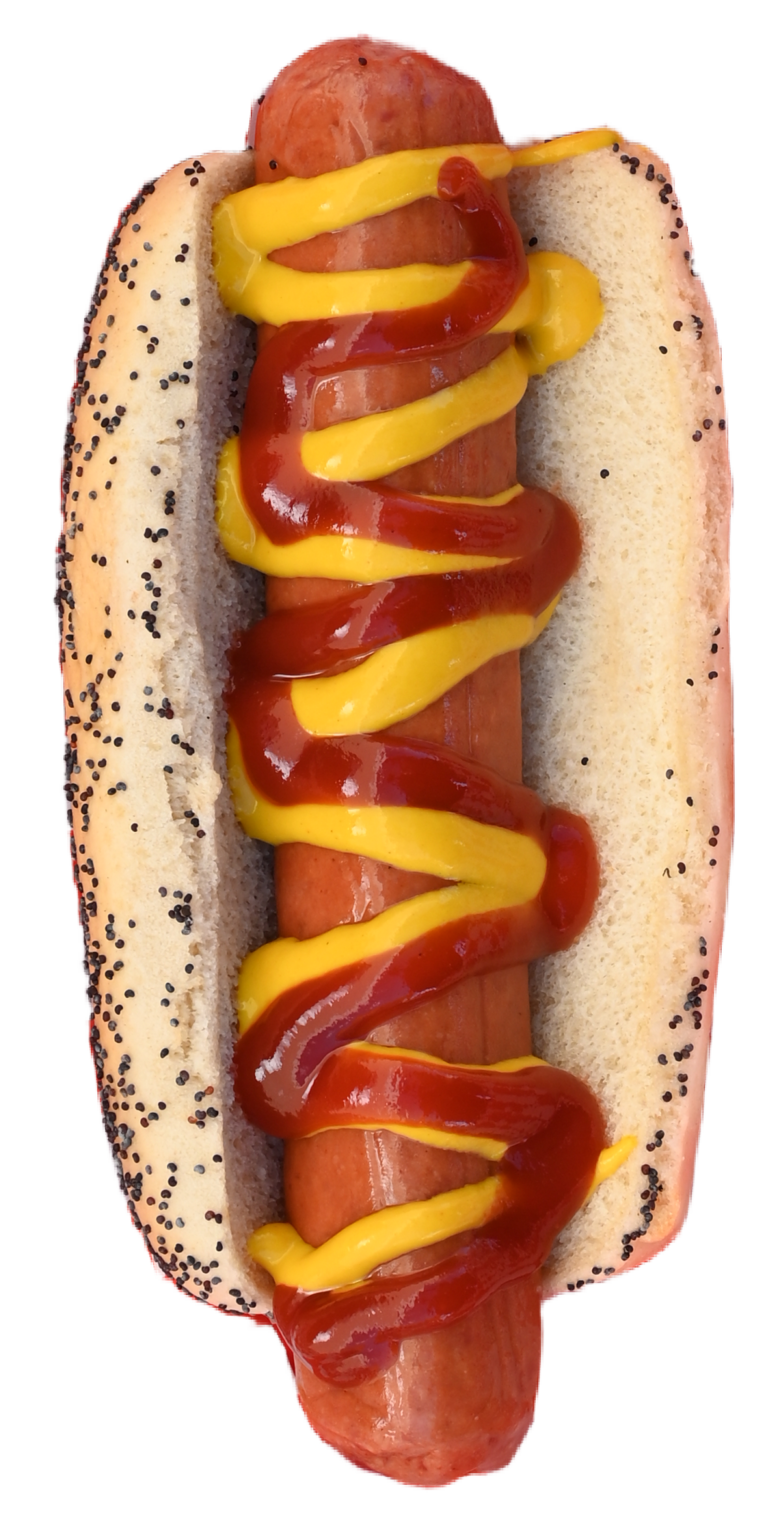

There are foods that ask for ceremony, and there are foods that reward good judgment. The hot dog belongs firmly in the second camp. It is casual, inexpensive, and familiar enough that people tend to underestimate it. That is usually where things go wrong. A grilled hot dog can be snappy, juicy, lightly smoky, and deeply satisfying. It can also be split, shriveled, bland, or scorched beyond rescue in less than five minutes.
Getting it right does not require expensive equipment or chef theatrics. It does require attention to heat, timing, and the kind of sausage you are actually putting on the grill. After years of cooking for backyard parties, ballgame-style family dinners, and those chaotic summer evenings when everyone wants food at once, https://louissjby803.clarionvale.com/posts/crowd-favorite-hot-dog-ideas-for-potlucks I have found that great hot dogs come down to a few repeatable decisions. Most of them happen before the bun ever touches the grate.
Start with the right hot dog
Not every hot dog behaves the same way over fire. That matters more than people think. The difference between a cheap, soft-textured frank and a well-made all-beef dog with a natural casing is obvious the moment it hits the grill. One tends to slump and sweat. The other tightens slightly, takes color well, and gives you that clean snap when you bite into it.
If you have the choice, buy a hot dog with a natural casing. That casing helps the sausage hold its shape and gives the exterior a firmer texture once grilled. It is the reason some hot dogs have that crisp bite you get at a great roadside stand or old-school ballpark. Skinless dogs can still be good, especially if you grew up with them and prefer that softer texture, but they demand a gentler hand because they can split and dry out quickly.
The meat blend matters too. All-beef hot dogs tend to grill beautifully because they carry enough fat to stay juicy and enough flavor to stand up to char. Pork-beef blends can be excellent as well, often with a slightly softer texture and a milder finish. Turkey or chicken dogs need more care. They usually contain less fat, which means they go from pleasantly browned to dry in a hurry. If that is what you are serving, lower heat and shorter cooking time become especially important.
Thickness affects timing. A skinny dog heats fast and browns almost instantly. A quarter-pound dog needs enough time for the center to get hot without burning the outside. That sounds obvious, but it is the reason one person’s “three minutes per side” rule fails so often. Your grill, your hot dog, and your fire are doing the real talking.
The grill should be hot, not feral
A common mistake is treating hot dogs like steaks, then blasting them over the hottest possible flame. That approach gives you blackened skin and a lukewarm center. Hot dogs are already cooked when you buy them in most cases, so grilling is less about reaching a safe finish and more about building flavor, texture, and heat evenly.
The sweet spot is medium to medium-high heat. On a gas grill, that usually means preheating for around 10 to 15 minutes, then turning one burner slightly lower if you want a cooler zone. On a charcoal grill, wait until the coals are covered with a light ash and no longer raging. You want steady heat, not flare-ups that force you to play defense every ten seconds.
Two-zone cooking helps, especially when you are feeding a crowd. Put the hot dogs over direct heat long enough to brown and mark them, then move them to a cooler side if they need more time. This is especially useful with thicker sausages or when you are juggling buns, onions, and toppings at the same time. The cooler side buys you control, and control is what produces consistency.
A grill does not need to be pristine to cook well, but it does need clean grates. Old burnt sugar from last week’s barbecue sauce can stick to the casing and tear it. Give the grates a good brushing once they are hot, then lightly oil them if you know you are working with delicate or skinless dogs. A folded paper towel held with tongs and dipped in a neutral oil works fine. You are not deep-frying, just preventing trouble.
Should you score the hot dog?
This question starts arguments at cookouts for a reason. Scoring can be useful, but it is not always the best move.
When you cut shallow slashes into a hot dog, you create more surface area. That means more browning and more crisp edges. It also creates channels where heat gets into the sausage faster. The classic crosshatch pattern looks appealing, and on a thick all-beef dog it can be excellent. The cuts curl open slightly and catch a little char, which is hard to resist.
But there is a trade-off. Every cut is also a place where fat and juices can escape. On a thinner dog, or one without a firm casing, scoring can leave you with a dry interior by the time the outside looks good. If you want a juicier bite, leave the surface intact and let the grill do its work. If you care most about browned edges and texture, a few shallow diagonal cuts are reasonable. Deep cuts are usually a mistake. They turn the sausage into petals and encourage splitting.
My usual advice is simple. Score thick natural-casing hot dogs if you like extra texture. Leave standard supermarket franks alone unless you know they can take the heat.
The actual grilling process
A perfect hot dog is not just marked on the outside. It is evenly heated, lightly blistered, and still plump. That requires movement. If you set the hot dog down and walk away, one side takes the full force of the grill while the rest waits its turn. Rotate early and often.
Place the hot dogs perpendicular to the grates so they do not sag between them. Start over direct heat, then turn them every 30 to 60 seconds. That pace feels fussy if you are used to cooking burgers, but it is the easiest way to develop color without splitting the casing. Within four to seven minutes, depending on thickness and heat, most hot dogs will be ready. Thicker franks may need a bit longer. What you are looking for is a slightly taut shape, visible browning, and a surface that has started to blister in spots rather than blacken.
Listen as much as you look. A hot dog on the verge of trouble often gives a louder hiss as fat forces its way out through a weak point. If you see one swelling aggressively at the center, move it to a cooler zone for a minute. That brief pause can prevent a split.
Flare-ups are another place where restraint pays off. Fat dripping from the sausage can trigger flames, especially on gas grills that have not been cleaned recently. The answer is not to leave the hot dog in the fire for “extra flavor.” Fire and smoke are not the same thing. If flames leap up, shift the sausage aside until the flare settles. Good grilling is more about managing heat than chasing drama.
Toasting the bun is not optional
A well-grilled hot dog in a cold, flimsy bun feels unfinished. The bun is not background. It affects texture, temperature, and structure. A lightly toasted bun resists sogginess, adds aroma, and makes the entire thing feel deliberate rather than assembled in a hurry.
Use the grill after the hot dogs are nearly done, when the heat is a little gentler or you have a cooler area available. Split the buns and place them cut side down for 20 to 45 seconds. That is usually enough. You want the edges slightly crisp and the interior warm, not brittle or dry. If the buns are very fresh and soft, toasting gives them backbone. If they are a day old, it revives them.
Some people brush the inside with a little melted butter first. That works, particularly if you want a richer, almost diner-style finish. It also burns faster, so watch closely. For a classic backyard hot dog, dry toasting is often enough.
The type of bun matters more than people admit. A top-split bun is easier to fill and tends to hold the sausage upright, which is useful for heavier toppings. A standard side-split bun is more common and works perfectly well, but it can collapse if overloaded. Either way, avoid buns that dwarf the dog. Balance matters. If the bread is all you taste in the first bite, the proportions are off.
Toppings should support, not bury
There is a point where a hot dog stops being a hot dog and becomes a balancing act. Piling on every condiment in the refrigerator makes for a funny photo and a poor eating experience. The best toppings sharpen contrast and complement the sausage’s smoke and salt.
Mustard remains the most reliable choice because its acidity cuts richness and wakes up the meat. Yellow mustard has that nostalgic brightness most people associate with a backyard hot dog. Spicier brown mustards bring more depth, especially with beef franks. Relish adds sweetness and crunch. Sauerkraut contributes acidity and a little funk. Raw onions bring bite, while griddled onions offer sweetness and softness. Chili and cheese have their place, but they change the personality of the dish and can overwhelm a lightly grilled dog if used heavily.
A practical rule helps here. If the topping needs a fork to manage, you are probably past the point of balance. The sausage should still be the center of the bite.
Regional styles prove how much personality a hot dog can carry. A Chicago-style dog leans on bright, crisp toppings and a poppy seed bun. A New York-style dog often pairs onion sauce with mustard. In the Southeast, slaw and chili show up often. None of these are wrong. What matters is that the grilled sausage is seasoned by the grill itself before anything else goes on top. If the dog underneath is pale or dry, no topping can fix it.
Timing for a crowd
One or two hot dogs are easy. Twenty can get messy fast, especially when some people want extra char, others want turkey dogs, and someone remembers the buns at the last minute. The answer is not to rush. It is to create a rhythm.
Grill in batches if your surface is limited, and use the cooler side of the grill as a holding zone for finished hot dogs for a short period. They can sit there briefly without overcooking while you toast buns or finish another batch. If you need to hold them longer, a covered foil pan placed in a warm, not hot, part of the grill works better than leaving them directly over heat. You want them to stay hot, not continue to tighten.
For larger gatherings, I often put the first round on just before guests are fully ready to eat. Hot dogs wait better than burgers, but only to a point. Ten minutes of patient holding is fine. Twenty minutes over heat turns even a good hot dog wrinkled and tough.
Children usually prefer a milder, less-charred dog. Adults often ask for more color. If you know your crowd, sort accordingly as you cook. Slightly less browned sausages can move to the cooler side first, while those headed for deep grill marks stay over direct heat a little longer. That sounds small, but on a busy grill it makes service smoother.
Common mistakes that ruin an otherwise easy meal
Most disappointing hot dogs come down to impatience or distraction. People either overdo the heat, forget the buns, or assume all franks can be treated identically.
Boiling hot dogs first is one of those habits that persists because it feels safe. It is not always harmful, but it often makes grilling less effective. A waterlogged casing does not brown as well, and the surface can wrinkle oddly once it hits the grate. If the goal is speed, use a moderate grill and cover briefly to trap heat. You will get a better result with less fuss.
Piercing the hot dog to “let the steam out” is another error. That steam carries moisture and flavor. Once the juices run, the sausage loses resilience. The same goes for pressing or flattening them with tongs. Let the casing manage the interior pressure.
The final pitfall is crowding. When hot dogs are packed tightly together, it becomes harder to rotate them evenly and easier to miss hot spots. Give each one a little room. The grill is not just heating them, it is drying the surface slightly so it can brown well. Airflow helps.
A note on charcoal versus gas
People tend to overstate this debate. A perfect hot dog is possible on both. Charcoal usually gives you more smoke and a broader heat gradient, which makes it easier to build color gently. Gas gives you precision and speed, especially on weeknights or when weather is not cooperative. I use both and adjust my expectations rather than pretending they produce the exact same result.
On charcoal, the flavor payoff is real, especially with natural-casing beef dogs. The casing picks up a subtle smokiness that is hard to mimic. You do need to pay closer attention to hot spots and flare-ups. On gas, I rely on cleaner, more controlled browning and often toast the buns more deliberately to make up for the slightly less pronounced smoke character.
If you want a stronger charcoal effect, let the hot dogs sit just long enough over the direct zone to pick up some blistering, then move them to the cooler side with the lid down for a minute or two. That small finishing step often rounds out the flavor.
The little details people remember
When someone says a hot dog was unusually good, they are usually responding to a handful of subtle details rather than one grand technique. The sausage was hot all the way through. The casing had a little snap. The bun was warm and faintly crisp. The toppings made sense. Nothing slid apart after the first bite.
That last point is worth more attention than it gets. A hot dog should be easy to eat standing up with one hand. If the bun disintegrates or the toppings shoot out the back, the build was flawed. You can solve a lot of that by drying wet toppings slightly, draining sauerkraut, dicing onions small, and applying condiments in moderation rather than abundance. Professional-looking food often comes from practical restraint.
Even the way you place the sausage matters. Nestle it into the bun while both are still warm so the bread gives slightly and holds the shape. If you wait too long, the bun cools and cracks more easily. Serve promptly. Hot dogs have a short peak window, and part of their charm is that they feel immediate.
What perfect really looks like
Perfection here is not a universal visual standard. Some people want a stadium-style dog with uniform browning and just a touch of blistering. Others want deep grill marks and more smoke. What should not change is the interior result. The best grilled hot dog stays juicy, tastes clearly of itself, and has enough exterior texture to justify the grill in the first place.
If you slice into one, which I do not recommend unless you are checking a batch for doneness, the inside should look moist and evenly heated, not dry around the edges. If you bite into it and the casing resists just slightly before giving way, you are in the right zone. If the surface is leathery or the center seems oddly cool, your heat management needs adjusting.
After you have done this a few times, you stop chasing exact minutes and start reading the grill. You notice how a thinner dog browns before it swells, how a natural casing tightens just before it is ready, how a bun toasts faster at the back of the grill than the front because of airflow. Those observations are what turn a basic cookout item into something memorable.
A grilled hot dog will never ask for the seriousness of a prime steak or a whole fish over coals, and that is part of its appeal. It is straightforward food. But straightforward food reveals care quickly. When the heat is right, the sausage is chosen well, and the bun gets the attention it deserves, the result is better than nostalgic. It is simply good, every time.
Under Construction Hot Dogs
1225 W U.S. Hwy 50, Pueblo, CO 81008
FAQ About hot dog
What are different types of hotdogs?
Under Construction Hot Dogs offers a classic all-beef hot dog, a quarter-pound Jumbo Dog, a Chili Dog, and a Chicago Dog, along with brats and a Spicy Link.
What does a chili dog have on it?
Our Chili Dog pairs a Vienna all-beef hot dog with chili, shredded cheddar cheese, and finely diced onions.
What is in a traditional Chicago dog?
Our Chicago Dog comes on a steamed poppy seed bun with yellow mustard, bright green relish, onions, tomato wedges, a pickle spear, sport peppers, and celery salt.